
How Much Tile Do I Need? A Simple Guide for Bathrooms, Kitchens, and Floors
If you're planning a home renovation, one of the first questions you'll ask is:
How much tile do I need for my project?
Whether you're installing tile in a bathroom, kitchen, shower, backsplash, or floor, calculating the correct amount of tile is essential. Ordering too little can delay installation, while ordering too much can increase project costs.
At Alita Tile, we help homeowners and contractors across Long Island estimate tile quantities every day. This guide will walk you through the simple steps to calculate exactly how much tile you need.
Step 1: Measure the Area You Want to Tile
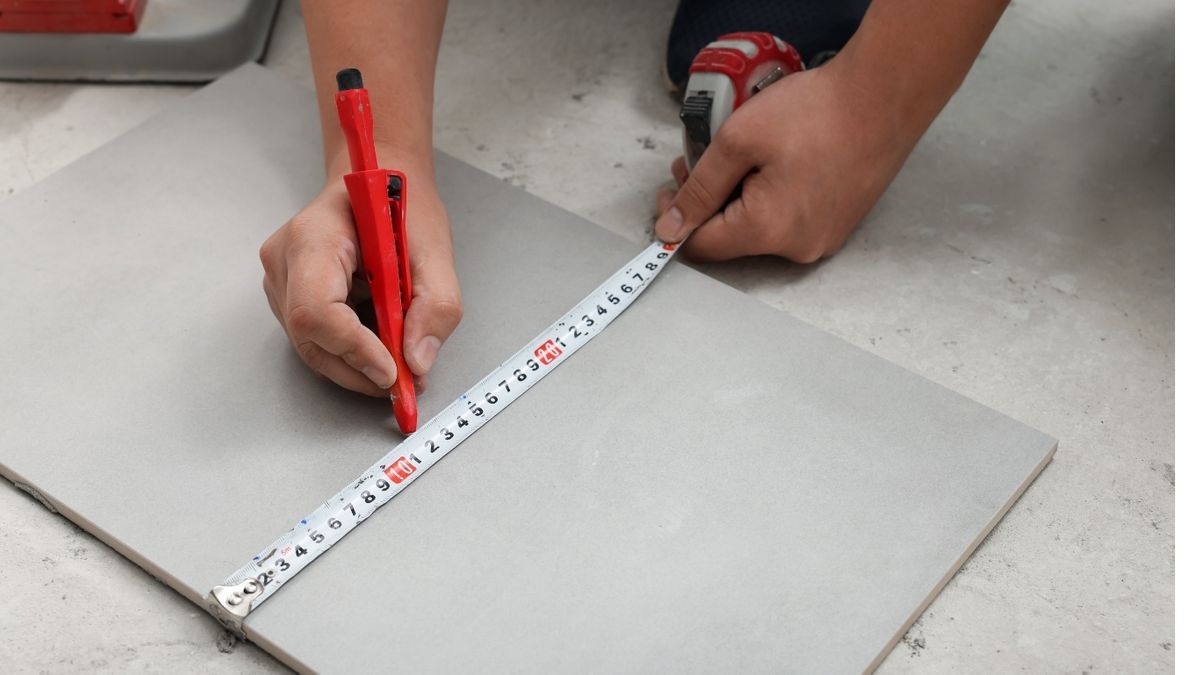
The first step in calculating tile is measuring the square footage of the area.
Measure the length and width of the space in feet.
Example:
Bathroom floor
Length: 10 feet
Width: 8 feet
Multiply the numbers:
10 × 8 = 80 square feet
This means you need tile to cover 80 square feet.
This same formula works for:
Bathroom floors
Kitchen floors
Entryways
Laundry rooms
Living areas
Step 2: Add Extra Tile for Cuts and Waste
When installing tile, some pieces must be cut to fit edges, corners, and obstacles. Because of this, professionals always order extra tile.
Recommended waste allowance:
Straight layout → 10% extra tile
Diagonal or patterned layout → 15% extra tile
Example:
80 sq ft × 10% = 8 sq ft extra
Total tile needed: 88 square feet
This ensures your installer has enough tile to complete the project properly.
Step 3: Tile Size Can Affect Your Project
Tile comes in many sizes, and the size you choose can affect installation and design.
Popular tile sizes include:
• 12×24 porcelain tile for floors
• 24×48 large format tile for modern spaces
• Mosaic tile for backsplashes and showers
• Subway tile for kitchens and bathrooms
Large format tiles often create a clean, modern look with fewer grout lines, while smaller tiles can add decorative detail.
Step 4: Calculating Tile for Kitchen Backsplashes
Backsplashes are usually smaller areas, but the calculation method is the same.
Measure the length and height of the wall.
Example:
Kitchen backsplash
Length: 12 feet
Height: 2 feet
12 × 2 = 24 square feet
Add 10% extra for cuts.
Total needed: about 26–27 square feet of tile.
Step 5: Always Order a Little Extra Tile
It’s always smart to keep some extra tiles after installation.
Extra tiles are helpful for:
future repairs
replacing damaged tiles
matching the original tile color or dye lot
Tile production batches can vary slightly, so having extra material ensures you can make repairs later without needing to find a close match.
Why Porcelain Tile Is Often Recommended for Floors
When choosing tile for flooring, porcelain tile is typically the best option because of its strength and durability.
Porcelain tile is:
• denser than ceramic tile
• highly water resistant
• suitable for both floors and walls
Because of this, porcelain tile is commonly used for:
bathroom floors
kitchen floors
entryways
high-traffic areas
Ceramic tile is often better suited for walls and backsplashes, where it can provide decorative design without needing the extra strength required for flooring.
Need Help Calculating Tile for Your Project?
Measuring tile for bathrooms, kitchens, or floors can sometimes be confusing, especially when working with multiple rooms or shower areas.
At Alita Tile, we help homeowners and contractors across Long Island calculate the exact amount of tile needed for their projects. Our showroom offers a wide selection of porcelain tile, ceramic tile, and decorative tile for kitchens, bathrooms, floors, and backsplashes.
If you're planning a renovation and want help choosing the right tile and quantity, our team is here to help.
Visit Alita Tile to explore our tile showroom and get expert guidance for your next project.
Frequently Asked Questions
How many tiles do I need per square foot?
The number of tiles per square foot depends on the tile size. Larger tiles cover more area, so fewer pieces are required.
Should I buy extra tile?
Yes. Most installers recommend ordering 10–15% extra tile to account for cuts, breakage, and installation adjustments.
What is the best tile for floors?
Porcelain tile is generally considered the best option for flooring because it is stronger and more durable than ceramic tile.
Can porcelain tile be used on walls?
Yes. Porcelain tile can be used on both walls and floors, making it one of the most versatile tile materials available.